Towel Snapper — v0.2
developing full revision
The best mechanics-first unit becomes a behaviorally specific older kid whose speed, no-armor silhouette, cruelty, and territorial loyalty agree; identity fields that have not been decided remain explicit unknowns.
Why: "Fast towel kid" explains a matchup but not why the neighborhood fears, follows, or reluctantly fields this child.
Proven finding: Inherited from v0.1: the approach, windup, flinch pressure, persistence, and speed advantage over the Knight are proven; the moral-boundary framing and costume ruling below are character and art-direction decisions, not new mechanical findings.
Legend
The Snapper is the unarmored berserker who has already crossed the distance by the time an opponent decides whether to run. The towel cracks, the line flinches, and a second attack is already beginning. Armor is an admission that the enemy will touch you.
Suburb
An older kid in a swimsuit runs across wet pavement snapping people with a wet towel. The sting is real, and other kids move because they do not want to be hit again — with avoidance, anger, or distrust, not amusement.
The Snapper's rule is: nobody else gets to pick on them. They may torment smaller kids inside the neighborhood hierarchy and still cross the battlefield when an opposing kid threatens one of those same children. This is territorial older-sibling loyalty, not kindness, apology, or redemption: in the "We Had Positions" beat, the Snapper breaks formation to pull a threatened teammate clear, the Paladin objects because the line had assigned positions, and the rescue proves the Snapper can protect someone through attention and speed — it does not erase the Snapper's repeated bullying of the Paladin or others.
Current draft
The Snapper is older, cocky, and repeatedly bullies neighborhood kids. Towel snapping hurts, and the Snapper knows it hurts — the weapon is not an innocent visual pun. They run around in a swimsuit with no armor because they expect confidence, speed, and the other kid's hesitation to protect them. The approved originating character is a 14-year-old Latino boy, taller than most of the cast, lean and fast, dressed in a loose, thick, opaque white cotton tank top, navy athletic swim shorts, and wet-pavement-safe footwear; the oversized tank stays fully opaque and hangs away from the body even when damp. The Snapper specifically targets the Pool Noodle Paladin, because the Paladin's stiff wetsuit, solemn reactions, and visible irritation make him satisfying to provoke — they were not former friends, and team assignments sometimes force cooperation.
What changed
- Gave the mechanics-first unit a specific originating identity: a 14-year-old Latino boy, established through the approved v4 art-direction ruling.
- Established the moral boundary ("nobody else gets to pick on them") and the anti-glamorization editorial test: every current draft must show the targeted kid's avoidance or distrust, contain no laughter or admiration attached to the bullying, frame the rescue as territorial loyalty rather than redemption, and check that the thrill comes from speed and pressure rather than humiliation.
- Established specific targeting of the Pool Noodle Paladin as a satisfying, provoked rivalry rather than a former friendship.
- Adopted the swimsuit-as-chosen-overconfidence framing: no armor, chosen through overconfidence rather than poverty or oversight.
Why it changed
"Fast towel kid" explains a matchup but not why the neighborhood fears, follows, or reluctantly fields this child. This revision gives the best mechanics-first unit a behaviorally specific identity whose speed, no-armor silhouette, cruelty, and territorial loyalty agree with each other, while identity fields nobody has decided remain explicit unknowns rather than invented filler.
Evidence and playtest marginalia
- docs/art/prompts/towel-snapper-studies-v4.md: five paired high-fidelity/low-poly studies generated 2026-07-25, approved by Anthony for GitHub storage and public Artbook display the same day (see the artifact records). This pack supersedes the tracked v1 direction and two untracked/blocked directions (v2 rash-guard, v3 shirtless — blocked by the image generator's safety gate before any image was produced).
- Inherited mechanical evidence: TUNING.md "Stage 1 Sprint 2 MG2" and "Stage 1 Sprint 2 MG3" (see v0.1); no new mechanical evidence was produced for this revision. Numeric attack rate, soak, range, and speed remain in that tuning evidence, not invented character prose.
Rejected or alternate directions
- A free-spirited improviser reading.
- A secretly gentle caretaker reading.
- A former friendship with the Paladin.
- Using the rescue beat to reveal that the bully was nice all along.
- Using the "We Had Positions" rescue as repayment, apology, or a demand that the targeted kid forgive the Snapper.
- Wet transparency, emphasized body contours, body close-ups, low-angle hero framing, and humiliation/contact close-ups in art direction.
Still unresolved
Featured question: is the Snapper thrilling to field without making their cruelty feel admirable or harmless?
Secondary unknowns:
- whose older sibling the Snapper is;
- what consequence or growth is possible without turning the dossier into a moral lesson;
- whether high-fidelity and low-poly poses can communicate menace without celebrating humiliation;
- whether the existing art studies should remain evidence, be relabeled, or be superseded after the principal-cast audit.
Featured question
Is the Snapper thrilling to field without making their cruelty feel admirable or harmless?
Evidence
- Towel Snapper paired art studies, prompt pack v4 repo-citation
- Study 1 — The Berserker Approach artifact
- Study 4 — Nobody Else Gets To artifact
Artifact shelf
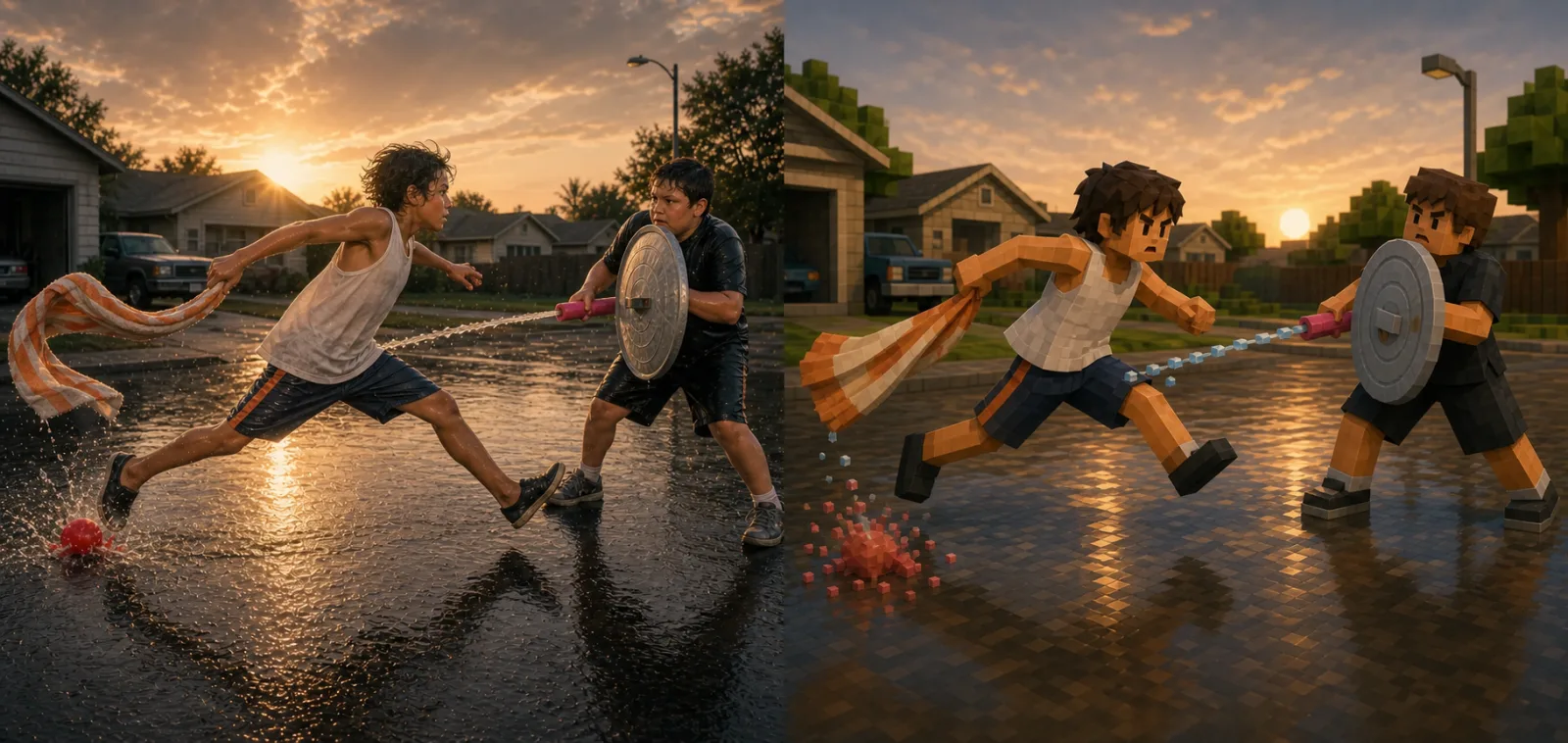
Early exploration — not representative of final direction.
The Towel Snapper sprints across open pavement to reach melee range.
- Source
- docs/art/prompts/towel-snapper-studies-v4.md#study-1--the-berserker-approach
- Rights state
- generated-with-terms-reviewed
- Tool
- OpenAI built-in image generation
- Model
- not exposed by built-in tool
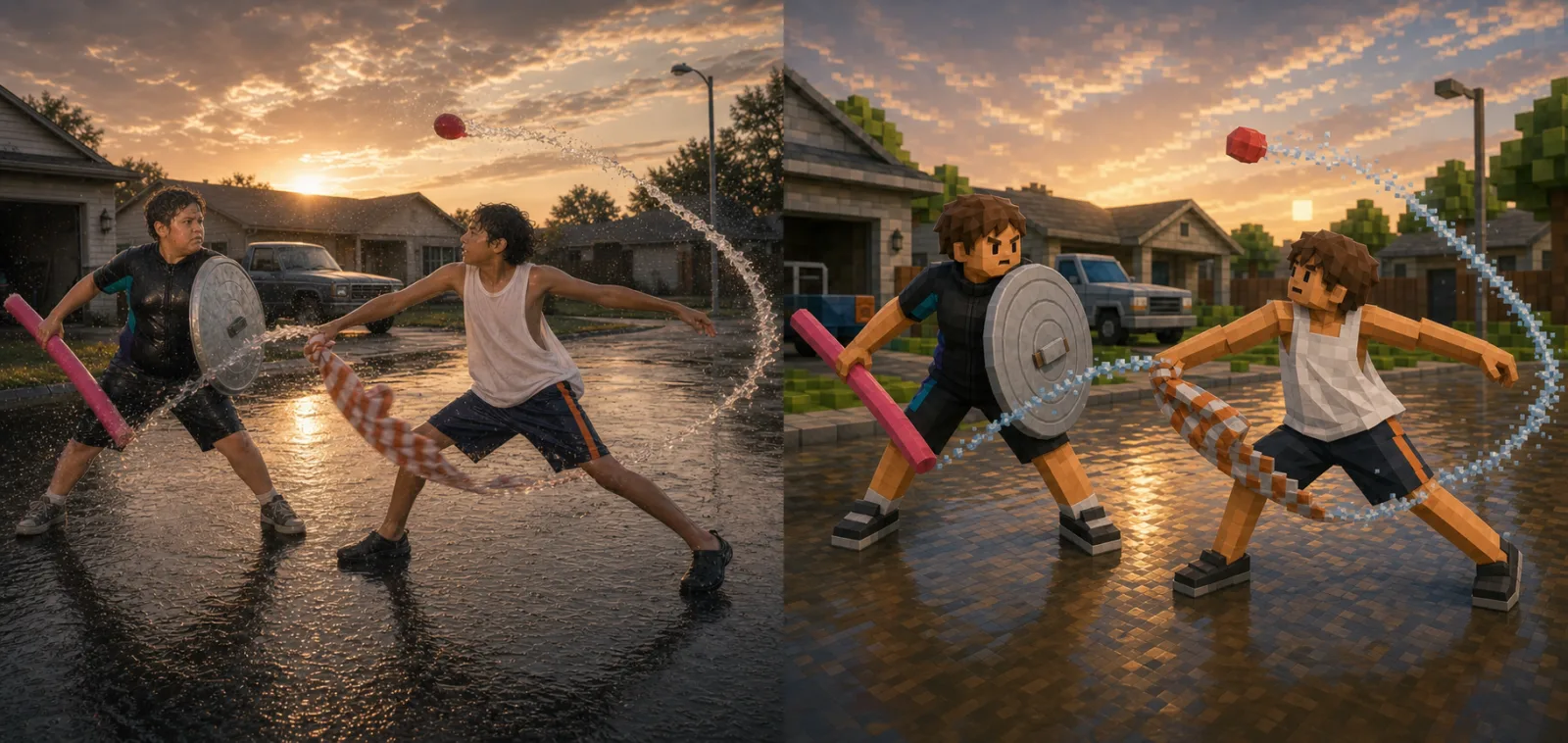
Early exploration — not representative of final direction.
He commits his whole body to a full wet-towel snap.
- Source
- docs/art/prompts/towel-snapper-studies-v4.md#study-2--the-full-body-snap
- Rights state
- generated-with-terms-reviewed
- Tool
- OpenAI built-in image generation
- Model
- not exposed by built-in tool
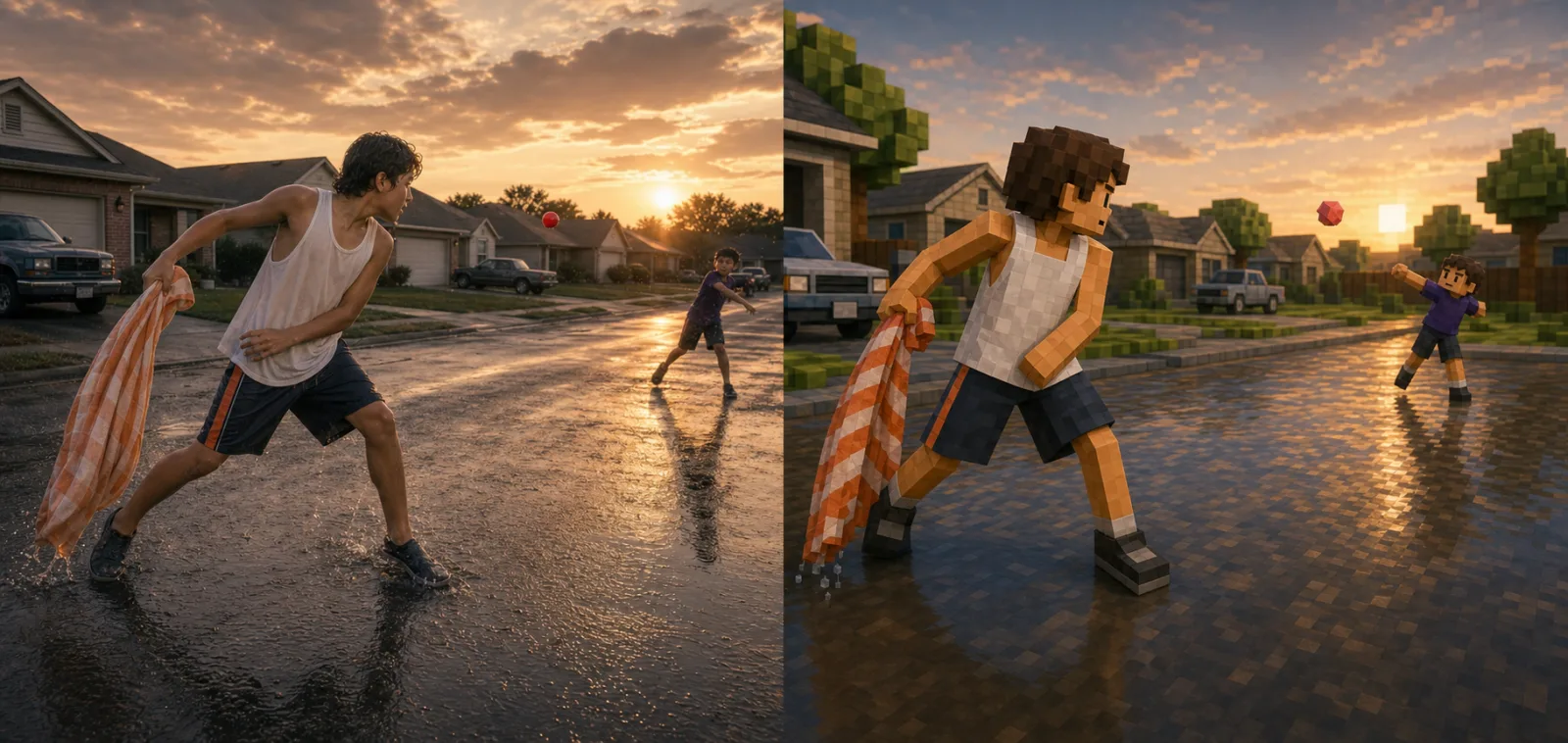
Early exploration — not representative of final direction.
He is exposed during the recovery step after the snap.
- Source
- docs/art/prompts/towel-snapper-studies-v4.md#study-3--the-recovery-window
- Rights state
- generated-with-terms-reviewed
- Tool
- OpenAI built-in image generation
- Model
- not exposed by built-in tool
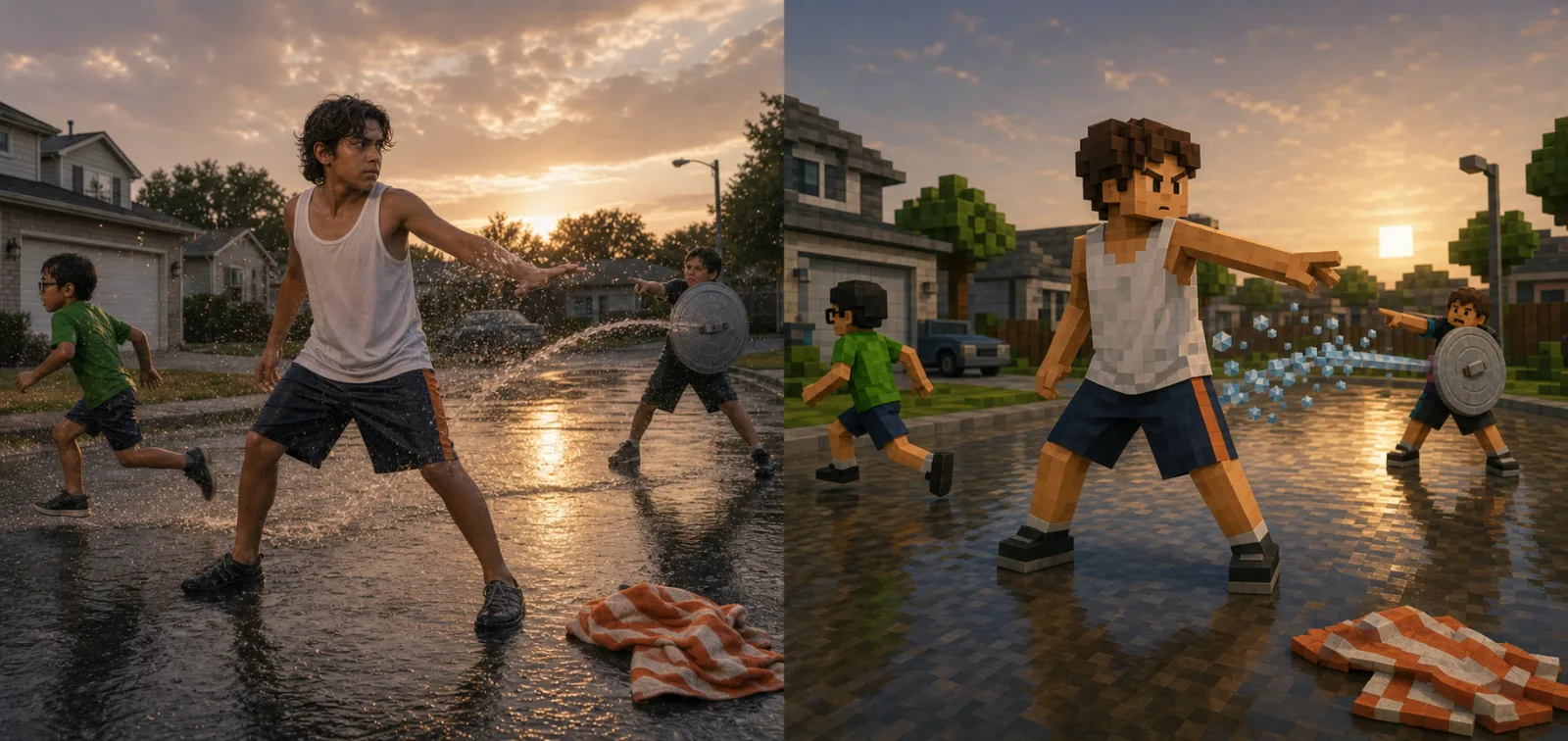
Early exploration — not representative of final direction.
He stands in a water stream to cover a smaller teammate's retreat.
- Source
- docs/art/prompts/towel-snapper-studies-v4.md#study-4--nobody-else-gets-to
- Rights state
- generated-with-terms-reviewed
- Tool
- OpenAI built-in image generation
- Model
- not exposed by built-in tool
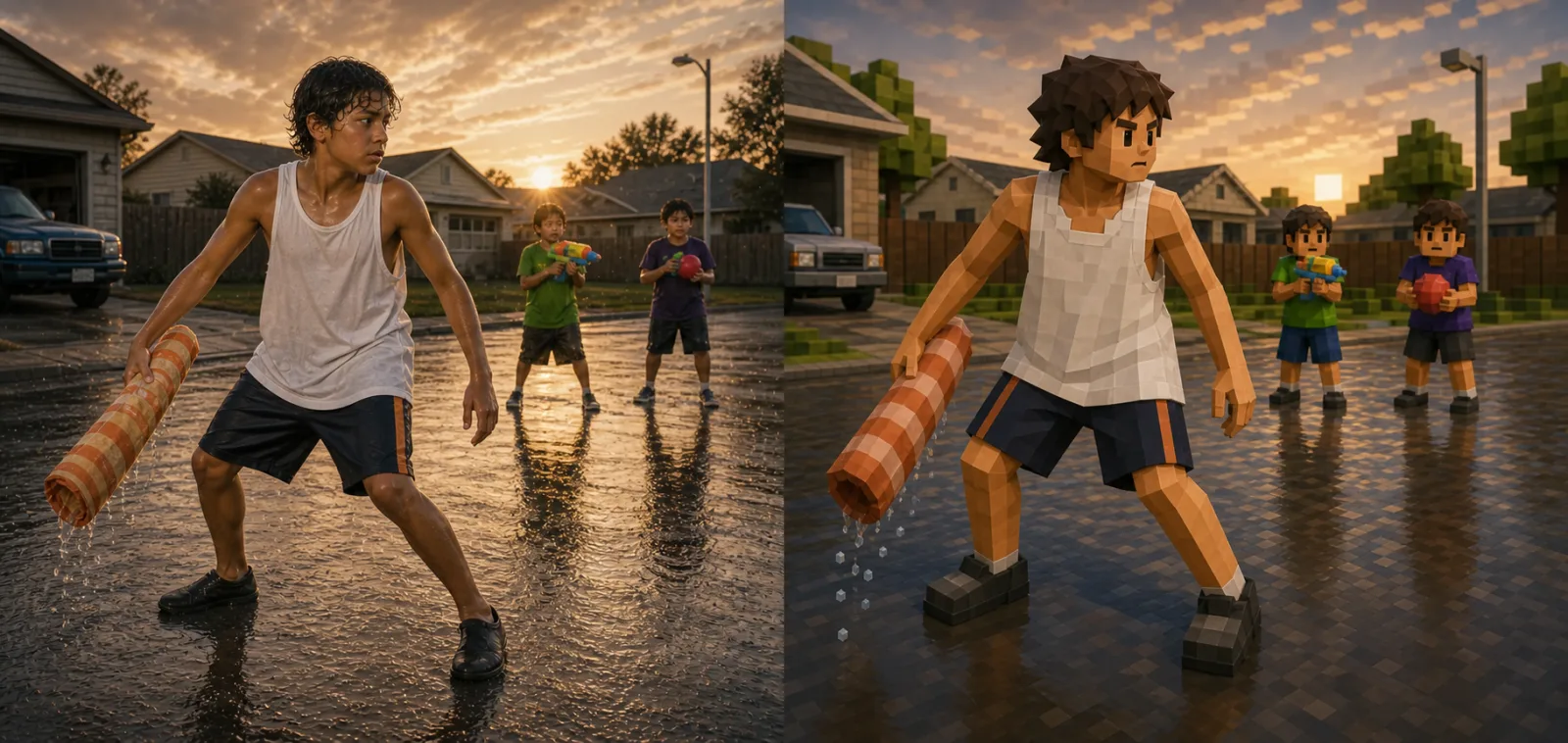
Early exploration — not representative of final direction.
He holds the loaded towel while two ranged opponents keep their distance.
- Source
- docs/art/prompts/towel-snapper-studies-v4.md#study-5--free-and-exposed
- Rights state
- generated-with-terms-reviewed
- Tool
- OpenAI built-in image generation
- Model
- not exposed by built-in tool